

Key Takeaways
- Confined Space Entry: Permits required for all silo entry.
- Atmospheric Testing: Oxygen, LEL, and toxic gases before entry.
- Lockout/Tagout: Isolate all energy sources before entry.
- Rescue Plan: Pre-planned rescue before anyone enters.
- Training Required: All entrants must be trained and authorized.
Table of Contents
Confined Space Requirements
A worker in a grain silo in Canada was engulfed in flowing material and suffocated. The investigation found no confined space program, no atmospheric monitoring, and no rescue plan. The company was fined $500,000 and the supervisor faced criminal charges. That tragedy taught us: confined space safety is not negotiable.
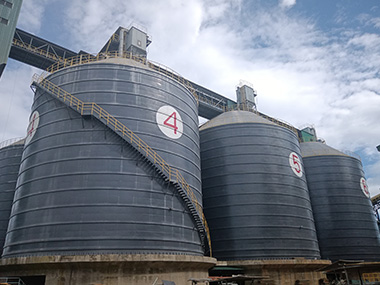
Confined space identification: All silos are confined spaces by definition. Requires permit for entry. Hazard assessment before each entry. Atmospheric testing mandatory. Continuous monitoring during occupancy.
Entry Procedures
Pre-entry requirements: Complete confined space entry permit. Test atmosphere (O2 19.5-23.5%, LEL <10%, toxics below PEL). Isolate all energy sources (lockout/tagout). Station attendant at entry point. Establish communication procedures.
During entry: Continuous atmospheric monitoring. Maintain communication with attendant. Limit entry time based on conditions. Monitor for material movement. Evacuate immediately if conditions change.
Rescue Planning
Rescue options: Self-rescue (entrant exits on their own). Non-rescue (attendant assists from outside). Entry rescue (trained team enters to rescue). Select method based on hazard assessment.
Rescue equipment: Tripod and winch for vertical entry. Full-body harness with retrieval line. SCBA for atmospheric hazards. Stretcher for medical emergencies. Communication equipment for coordination.
Training and Competency
Required training: Confined space hazard recognition. Atmospheric monitoring equipment use. Entry permit procedures. Rescue techniques and equipment. Emergency response procedures.
Competency verification: Annual refresher training. Drills for rescue procedures. Equipment inspection and maintenance. Medical clearance for entrants. Documentation of all training and drills.
Frequently Asked Questions
Q: Can we enter a silo without a permit if it's empty?
A: No. All silo entries require permits regardless of material level. Atmospheric hazards exist even in empty silos.
Q: How often should rescue drills be conducted?
A: Conduct rescue drills at least annually. Practice with actual equipment and scenarios specific to your silos.
Need safety training? Manxing provides confined space programs. Request Safety Consultation