
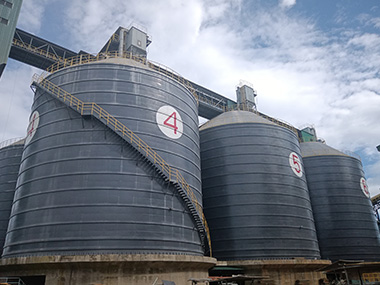

Key Takeaways
- Bolted is 3-5x Faster: Field assembly speed advantage over welding.
- Bolted Saves 15-30% on Total Cost: Despite 5-10% higher material cost.
- Welded is Better for Gas-Tight: No gaskets needed for vacuum or pressure applications.
- Bolted Silos are Relocatable: Disassemble and move to new location.
- Weather Affects Welding Schedule: Rain and wind cause welding delays.
Table of Contents
Choosing Your Construction Method
A client in Indonesia needed a 5,000-ton silo completed before the rainy season - just 10 weeks. We chose bolted construction and completed in 8 weeks, versus 14 weeks estimated for welded. The 2-week savings were worth the 8% cost premium for bolted construction.
The choice between bolted and welded impacts cost, schedule, quality control, and future flexibility.
Welded Silo Construction
Advantages: structural continuity, watertight sealing, aesthetic quality, material efficiency. Limitations: weather sensitivity, NDT requirements, skilled welder dependence, schedule risk.
Bolted Silo Construction
Advantages: 3-5x faster assembly, weather independent, easily verified quality, disassembly capability, no hot work. Limitations: 5-10% higher steel weight, gasket maintenance, visible bolt heads.
Cost Comparison
For a 3,000-ton silo: Welded total = 100% baseline. Bolted total = 70-85% of welded cost due to reduced field labor (40-60%), equipment costs (30-50%), and inspection costs (20-30%).
Frequently Asked Questions
Q: Which is better for food-grade applications?
A: Welded is preferred for food-grade because there are no gasket materials that could contaminate product. Bolted silos use food-grade gaskets that require periodic replacement.
Q: Can a bolted silo be made gas-tight?
A: Yes, with additional sealant at all joints. However, for vacuum or pressure applications, welded is more reliable and cost-effective.
Need construction method recommendation? Manxing fabricates both welded and bolted silos. Request Construction Comparison