
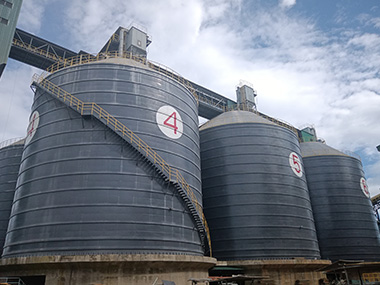

Key Takeaways
- Grain Needs 1-2 m³/h per ton: Wheat and corn require significant airflow for temperature control.
- Cement Needs Only 0.1-0.3 m³/h per ton: Fluidization requires minimal airflow.
- Natural Ventilation Uses Wind and Buoyancy: No fan power required.
- Dust Collection Required: All ventilation exhaust needs dust control.
- Preserved Grain 24+ Months: Proper ventilation maintains quality long-term.
Table of Contents
Why Ventilation Matters
A grain storage facility in Thailand lost 15% of their wheat inventory to mold because the ventilation system was undersigned. The aeration rate was only 0.5 m³/h per ton - half what was needed for the humid tropical climate. We upgraded the fans and added temperature monitoring, preventing future losses estimated at $45,000/year.
Proper ventilation prevents: temperature rise from respiration, moisture migration, mold growth, insect activity, and spontaneous combustion risk.
Purpose of Silo Ventilation
Temperature control: Remove heat from material respiration. Moisture management: Remove accumulated moisture. Gas concentration control: Maintain safe atmospheric conditions.
Aeration System Design
Airflow rates: Wheat/corn 1.0-2.0 m³/h per ton, Rice 0.5-1.0, Cement 0.1-0.3, Soybean meal 1.5-3.0. Aeration floor types: Porous ceramic tiles, perforated steel ducts, fluidization fabric.
Natural Ventilation Design
Vent area: A = Q / (3600 × Vair). Ridge vents at highest point, eave vents at bottom for natural draft.
Frequently Asked Questions
Q: How do I know if my ventilation is adequate?
A: Monitor material temperature. If temperature rises more than 2°C per week, increase ventilation. Temperature cables at multiple levels provide early warning.
Q: Can I add ventilation to an existing silo?
A: Yes. Retrofit options include: floor aeration systems, wall fans, or roof exhaust fans. Cost: $5,000-25,000 depending on silo size.
Need ventilation design for your silo? Manxing provides complete ventilation system design. Request Ventilation Assessment