

Key Takeaways
- Abrasion Causes Rapid Wall Loss: Iron ore can cause 5-10mm/year wall loss in carbon steel.
- Ceramic Liners Extend Life 10x: Alumina ceramic lasts 10+ years in abrasive applications.
- Rubber-Ceramic Composites Absorb Impact: Combines ceramic hardness with rubber flexibility.
- Dead-Bed Hoppers Protect Walls: Material-on-material sliding prevents steel wear.
- Wear Plates are Replaceable: Sacrificial liners protect permanent structure.
Table of Contents
When Wear Becomes Critical
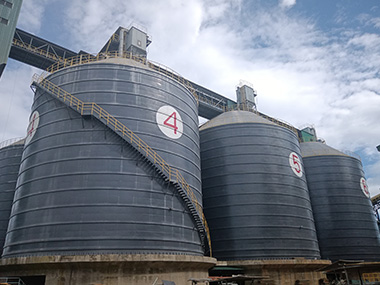
An iron ore terminal in Australia was replacing silo bottoms every 18 months due to abrasion. We installed alumina ceramic liners and redesigned the hopper as a dead-bed system. After 8 years, the original ceramic liners are still in service - a 5x improvement in wear life.
Wear Mechanisms
Sliding wear: Material sliding against walls during discharge. Impact wear: Material falling from height onto surfaces.
Wear-Resistant Materials
Wear-resistant steels: Hardox 400/450/500 (400-500 HB). Ceramic liners: Alumina (1500-1700 HV). Polymeric liners: UHMW-PE for moderate abrasion.
Design Strategies
Dead-bed hoppers, replaceable wear plates at impact zones, smooth internal surfaces, proper hopper angles.
Frequently Asked Questions
Q: How do I know if my material is abrasive?
A: Materials with Mohs hardness > 5 (iron ore, copper ore, alumina) require wear protection. We assess abrasivity based on particle hardness and shape.
Having wear problems? Manxing can assess your wear issues and recommend cost-effective solutions. Request Wear Assessment