

Key Takeaways
- Lifecycle Costing: Consider 30-50 year total cost of ownership.
- Sustainability: Energy efficiency and environmental impact matter.
- Digital Integration: IoT and Industry 4.0 capabilities.
- Future-Proofing: Design for technology upgrades.
- End-of-Life: Decommissioning and recycling planning.
Table of Contents
Lifecycle Cost Analysis
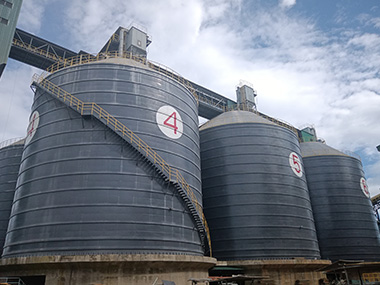
A grain terminal in USA tracked their silo costs over 30 years. The initial purchase was only 25% of total costs—maintenance, operation, and repairs made up the rest. That analysis taught us: the cheapest silo to buy is often the most expensive to own.
Lifecycle cost components: Initial purchase (20-30% of total). Foundation and installation (15-20%). Maintenance and repairs (25-35%). Operation and energy (10-15%). Decommissioning (5-10%). Calculate total cost for 30-year period.
Sustainability Considerations
Energy efficiency: Efficient motors reduce power consumption. Insulation reduces heating/cooling needs. LED lighting for illumination. Variable speed drives for fans and conveyors. Energy monitoring for optimization.
Environmental impact: Dust collection reduces emissions. Noise control for community relations. Stormwater management prevents contamination. Recycled materials in construction. End-of-life recycling plan.
Digital Capabilities
IoT integration: Wireless sensors for level and temperature. Cloud-based monitoring and analytics. Mobile apps for remote access. Predictive maintenance algorithms. Integration with ERP systems.
Industry 4.0 features: Digital twin for simulation and optimization. AI-powered demand forecasting. Automated inventory management. Blockchain for supply chain traceability. Augmented reality for maintenance support.
Future-Proofing Your Investment
Technology upgrade paths: Design conduit for future sensor installation. Include spare capacity in control systems. Plan for automation upgrades. Consider cybersecurity from the start. Document all systems for future modifications.
Capacity expansion: Design foundations for potential height increase. Plan conveyor routing for additional silos. Include spare connections in platforms. Reserve space for expansion. Document design margins for future reference.
Frequently Asked Questions
Q: How do we calculate lifecycle cost?
Q: What is the ROI of digital capabilities?
Ready to invest in your future? Manxing designs for long-term value. Request Consultation